




Every procedure at Hair Transplant Liverpool is carried out by a doctor on the GMC register
Our clinic is centrally located and accessible from across Merseyside, Cheshire, and beyond
A candid assessment of your donor area and realistic expectations, no targets, no sales pitch
From the first follicle extracted to the final graft placed, your surgeon is present throughout
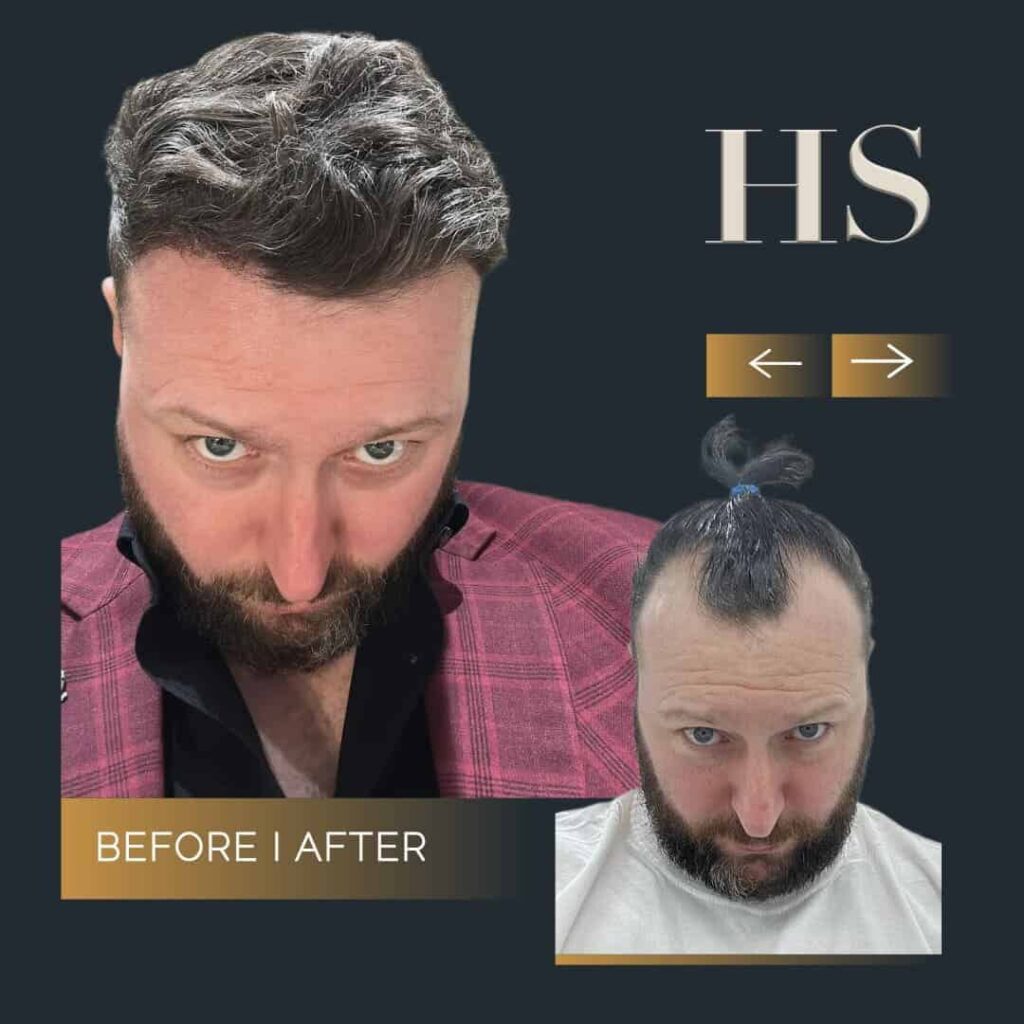
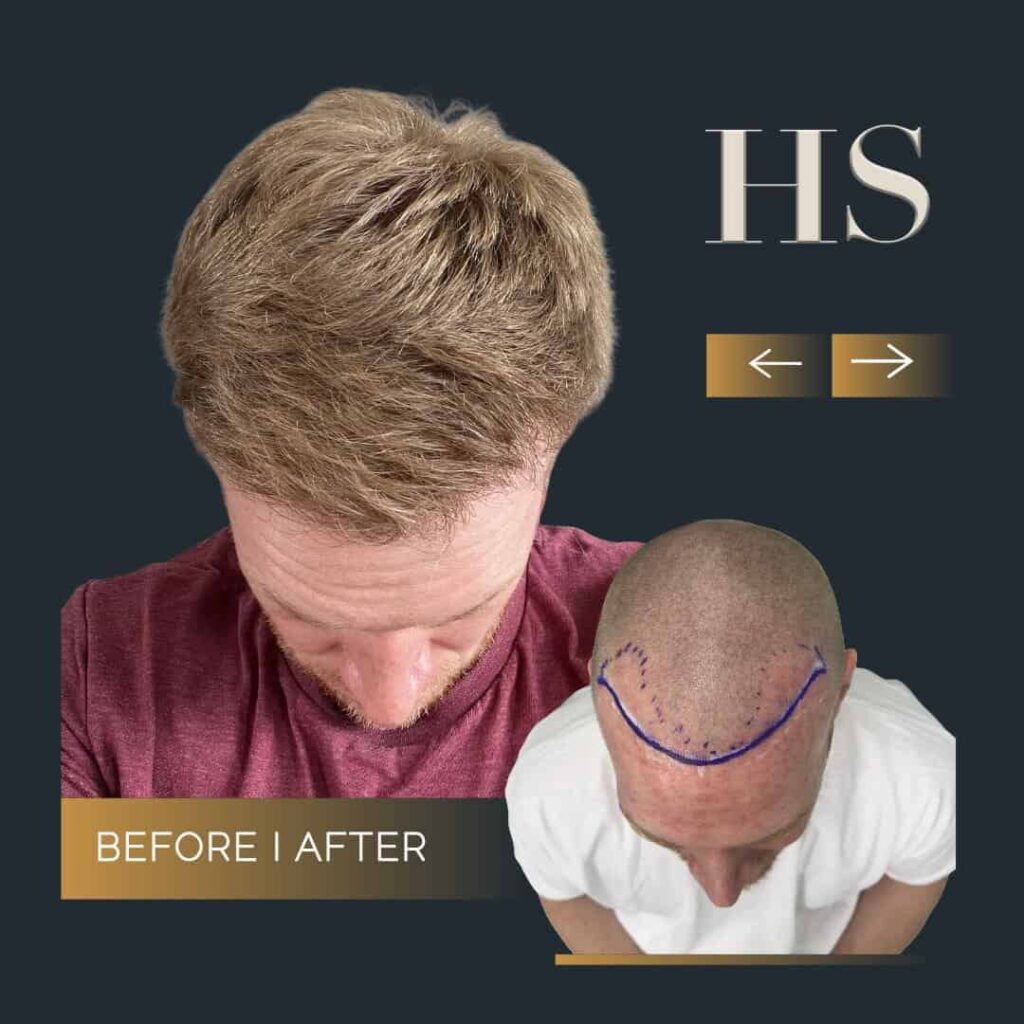
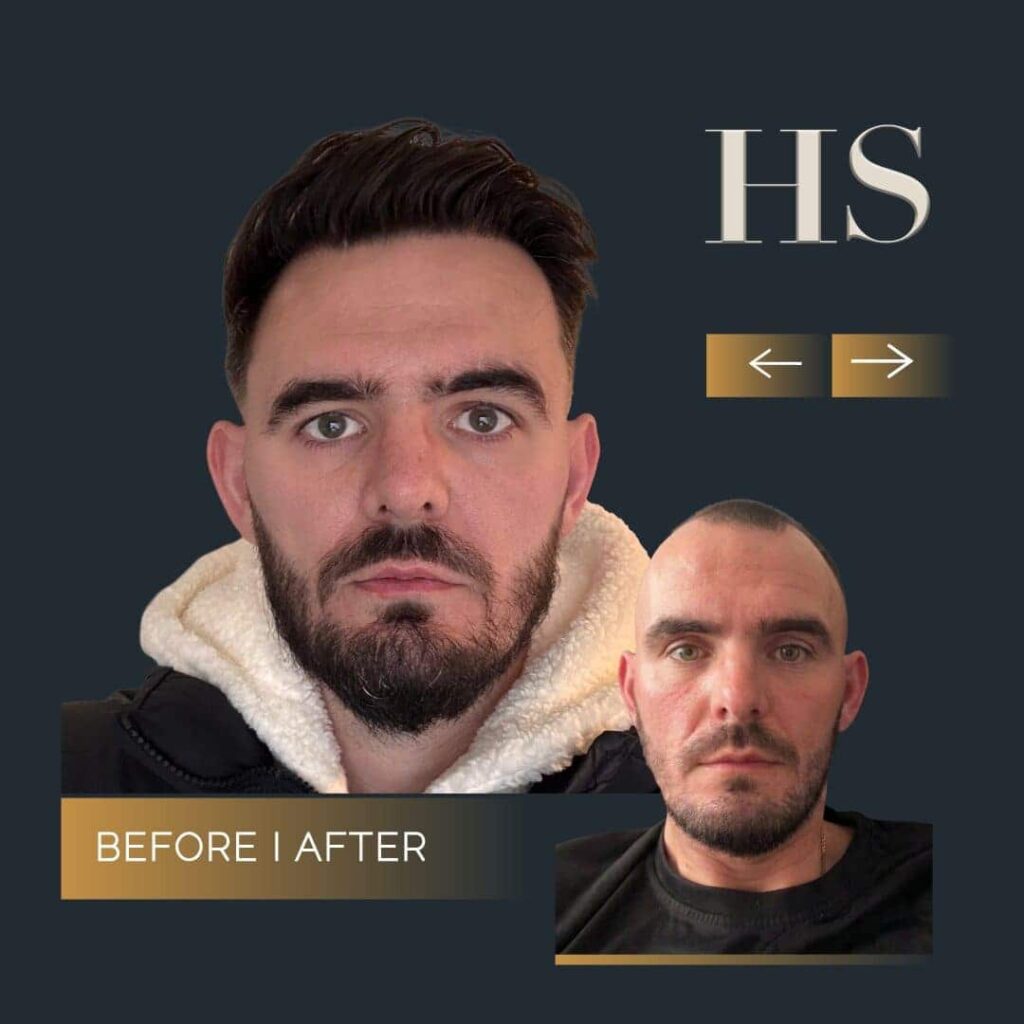
Before and After Hair Loss in Women Results in Liverpool
A selection of results from patients treated at our Liverpool clinic. All procedures were performed by our GMC-registered surgeons.
Make the best investment in yourself and find out more about how we can help eliminate hair loss for good!
Hair Loss in Women
Female hair loss is significantly more common than many women realise. Studies suggest that between thirty and forty percent of women will experience noticeable hair thinning at some point in their lives, yet the treatment pathway for women remains poorly understood and frequently under-explored. At Hair Transplant Liverpool, we assess female hair loss cases individually, applying a clinical diagnosis before any surgical or medical recommendation is made. Hair transplant surgery is an option for a specific subset of women, and understanding whether you fall into that group requires a proper consultation, not a self-assessment based on what you have read online.
Women seeking treatment at our Exchange Flags clinic in Liverpool city centre come with a wide range of presentations: diffuse thinning across the top of the scalp, hairline recession concentrated at the temples, a widening parting, patchy loss from alopecia areata, traction hair loss from years of tight hairstyling, or frontal fibrosing alopecia affecting the hairline and brows. Each of these conditions has a different treatment pathway.
Types of Female Hair Loss
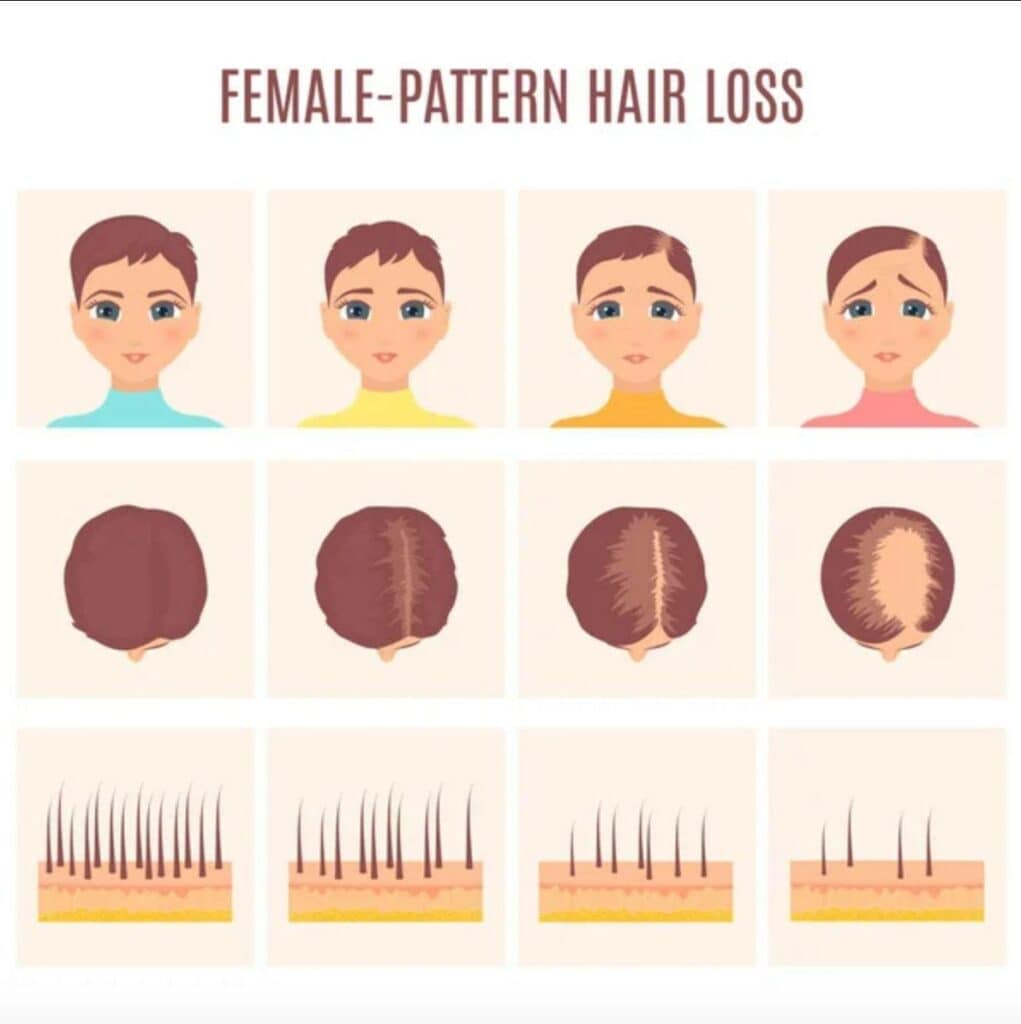
Female pattern hair loss (FPHL), also called androgenetic alopecia, is the most common cause of progressive diffuse thinning in women. Unlike male pattern baldness, which follows the Norwood scale from hairline recession to vertex loss, female pattern hair loss typically presents as a diffuse reduction in density across the top of the scalp, preserving the hairline in most cases. The Ludwig scale is used to classify its severity. FPHL is partially driven by androgens, which is why it often accelerates at times of hormonal change, after pregnancy, at perimenopause or following discontinuation of the oral contraceptive pill.
Traction alopecia develops from chronic mechanical tension on the hairline, most commonly from tight ponytails, braids, extensions or weaves. Over time, repeated pulling on the frontal and temporal hairline damages the follicles at the margin of the hair loss zone. In early-stage traction alopecia, stopping the damaging hairstyles and allowing the follicles to recover is the first recommendation. In established traction alopecia where follicle damage is permanent and the hairline has visibly receded, a hair transplant to restore the frontal and temporal zones may be appropriate.
Telogen effluvium is a temporary, diffuse shedding triggered by physiological stress, major illness, surgery, significant weight loss, nutritional deficiency, or emotional trauma. It typically begins two to four months after the triggering event and resolves naturally within six to twelve months once the trigger has been removed. Hair transplant surgery is not appropriate for active telogen effluvium, because the underlying cause must be resolved and the condition must have stabilised before any surgical intervention.
When Is a Hair Transplant the Right Option?
A hair transplant is appropriate for women who have a stable, localised area of hair loss with a sufficient donor zone. The critical distinction in female cases is whether the donor zone at the back and sides of the scalp is itself affected by diffuse thinning, because if it is, transplanted hairs from that zone may themselves thin over time, producing a poor long-term result. Women with genuinely stable, dense donor hair who have a clearly defined recipient area, such as a receded temporal hairline, a wide parting, or a localised bald patch from traction or scarring, are the strongest candidates for a surgical outcome that lasts.
Women with active, progressive or unstable hair loss are not candidates for transplant until their condition has been medically investigated and, where possible, stabilised. This is not a barrier, it is a starting point. Our surgeons will refer patients to a dermatologist if an underlying cause requires investigation before a surgical assessment can be completed.
FUT is often a preferred technique for female hair transplants because it does not require shaving the entire donor area. The strip is excised discreetly from the lower occipital zone, and the surrounding hair conceals the healing wound. FUE requires shaving a donor section, which is manageable but requires planning, particularly for women with longer hairstyles.
Medical Management Alongside Surgery
For many women, the appropriate first step is medical, not surgical. Minoxidil (applied topically as a lotion or foam) is the only medication currently licensed for female hair loss in the UK. It works by prolonging the anagen (growth) phase of the hair cycle, increasing hair density and reducing shedding in a proportion of women who use it consistently. Results take three to six months to become visible, and the medication must be continued long-term, stopping treatment leads to the return of the previous rate of shedding.
Low-level laser therapy (LLLT) is an adjunct option for some women, particularly those who want to support a hair transplant result or who are not ready for surgery. It can be combined with minoxidil and is non-invasive. Our team will discuss the full range of options, surgical and non-surgical, at your consultation and help you understand which makes clinical sense for your situation.
Cost of Female Hair Transplant in Liverpool
The cost of a hair transplant for women at our Liverpool clinic depends on the extent and location of hair loss, the technique used and the graft count required. Smaller procedures addressing a localised frontal or temporal hairline typically start from around £3,000–£3,500. More extensive procedures covering a wider area of diffuse thinning at the top of the scalp are priced accordingly at consultation.
A free initial consultation with our surgeon is the essential first step. For women, particularly, the consultation is diagnostic as much as it is surgical, it determines what is causing your hair loss, whether a transplant is the right intervention for you, and what realistic outcome you can expect based on your specific pattern and donor supply.
Make the best investment in yourself and find out more about how we can help eliminate hair loss for good!
Where to Find Us
Our Liverpool clinic is located in the city centre at Exchange Flags, within easy reach of Liverpool’s main transport hubs.
Hair Transplant Liverpool
Horton House, Exchange Flags,
Liverpool,
L2 3PF
The nearest train stations are Liverpool Lime Street and Liverpool Central. Bus passengers can alight at Liverpool Queen Square Bus Station. There is no on-site parking, but several multi-storey car parks are within a short walk.
Appointments are required, we do not accept walk-ins.
Our Surgeons
All procedures at Hair Transplant Liverpool are performed by GMC-registered surgeons operating under a strict one patient per doctor per day policy. This means your surgeon is exclusively focused on your procedure from start to finish, every extraction, every incision, every implantation decision is made by a doctor, not a technician.
Our doctors are also registered with the International Society of Hair Restoration Surgery (ISHRS), reflecting their ongoing commitment to evidence-based practice and professional development in hair restoration.

Frequently Asked Questions
Not necessarily. FUT does not require shaving the donor area, the hair above and below the strip conceals the healing wound. FUE requires a shaved donor patch, but this can often be arranged so that surrounding longer hair covers it during the recovery period. The surgeon will discuss the practical options based on your hair length and treatment area at consultation.
Finasteride is not licensed for use in pre-menopausal women due to the risk of foetal abnormalities if pregnancy occurs during treatment. Post-menopausal women are sometimes prescribed finasteride off-label by specialist dermatologists. Minoxidil is the licensed medical option for female hair loss in the UK.
A clinical assessment by a surgeon or dermatologist is the most reliable way to establish the cause. Blood tests can identify thyroid dysfunction, iron deficiency, vitamin D deficiency and hormonal factors that contribute to hair loss. The pattern, speed of onset and your personal and family history all help establish the diagnosis.
Telogen effluvium caused by stress is typically temporary. The hair re-enters the growth phase once the stress trigger is resolved, and most patients recover naturally within six to twelve months. Persistent stress over a long period can, in some cases, accelerate underlying genetic hair loss, but the shedding phase itself is usually reversible.
Transplanted hair is permanent, the grafts come from a donor zone with DHT-resistant follicles. However, native hair around the transplanted grafts may continue to thin if the underlying cause of hair loss is progressive. This is why stabilising the hair loss condition before surgery, and continuing medical management afterwards, is important for maintaining the overall result long-term.
Recovery is the same as for male patients: five days of careful aftercare, two weeks avoiding physical exertion, and a gradual growth timeline over twelve to eighteen months. Women are often more concerned about the post-procedure appearance during the shock loss phase (weeks two to six), which is completely normal and temporary.
Patient Testimonials
Aside from achieving fantastic results, we believe that keeping in touch with our patients before, during and after their hair transplantation procedure is paramount – it helps to keep our patients feeling calm and in control. We’re always on hand to provide guidance, support and aftercare advice. Time and again, our patients tell us that this is what sets us apart from other clinics.
You can read our great reviews of FUE hair transplants over on Google and Trustpilot